Finding yellow jackets flying in and out of a small opening in your lawn can be unsettling. Unlike a hanging wasp or hornet nest that is easy to see, a yellow jacket nest may be hidden underground, making it difficult to determine exactly where the colony is located...
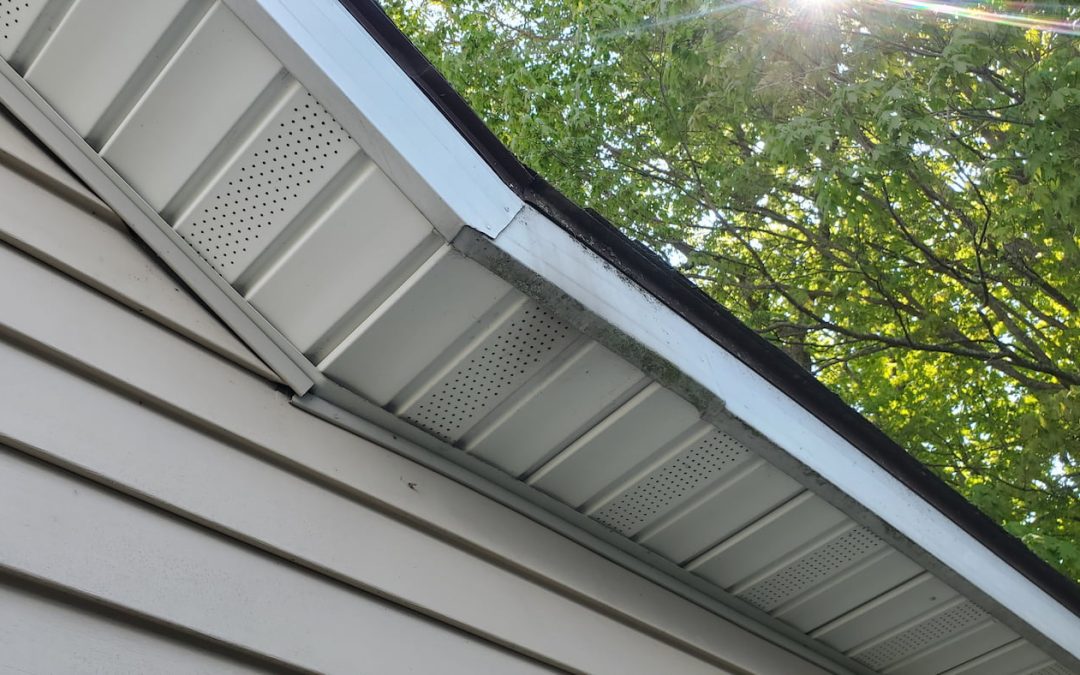
Many homeowners are surprised to learn how easily wildlife can enter a home through small gaps along the roofline. In Connecticut, soffits and roof vents are some of the most common entry points for animals like bats, squirrels, raccoons, mice, and flying squirrels....
Hearing scratching in the attic at night can be unsettling for any homeowner. In many cases, these noises are one of the first signs that wildlife has entered the home. Animals often become active after dark, especially when they are searching for food, building...
If you’ve discovered bats in your attic, your first instinct is probably to get them out as quickly as possible. But in Connecticut, bat removal isn’t something that can be done at just any time of year. There are specific seasonal restrictions and best practices that...
If you’ve started hearing scratching, fluttering, or chirping noises coming from your attic—especially around dusk—you may not be dealing with rodents. In many Connecticut homes, those sounds point to something else: bats. Spring and early summer are peak seasons for...
Bats are a common wildlife concern in Connecticut, particularly in the spring when they become more active after hibernation. While they play a valuable role in the ecosystem, bats can cause property damage and health risks when they roost in homes. Understanding how...