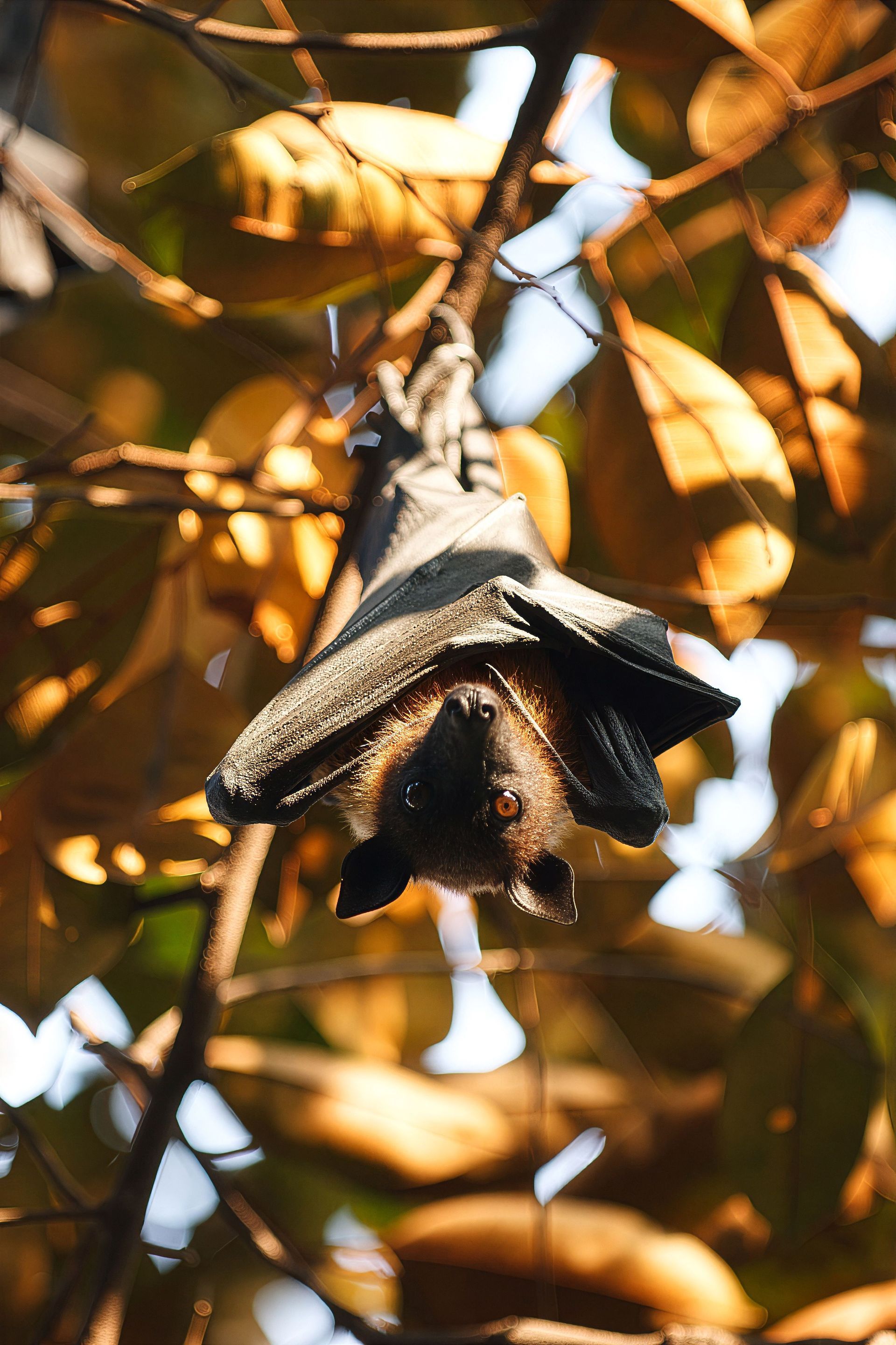
Humane Bat Removal & Control in Southern Connecticut

Soundview Wildlife Control provides humane bat removal & exclusion services throughout New Haven CT, Guilford CT, Durham CT, Clinton CT, Branford CT, New London CT, Madison CT, East Haven CT, Killingworth CT, and the surrounding Connecticut communities.

Contact Us Today
shutterstock_667438987

Finding bats in your attic, walls, or around your roofline can be unsettling, but the solution doesn’t have to involve harming these important animals.

At Soundview Wildlife Control, we provide humane bat removal and exclusion services throughout Southern Connecticut, helping homeowners resolve bat problems while protecting both their property and local wildlife. Our approach focuses on inspection, humane exclusion, entry-point sealing, and long-term prevention. Rather than simply removing the bats you can see, we look for how they are getting into the structure and develop a plan to prevent them from returning.

If you suspect bats are living in your attic, walls, or roofline, contact Soundview Wildlife Control to schedule a professional inspection.

    When bats establish a roost inside a home, simply trapping or removing individual bats does not solve the underlying problem. If the structure remains accessible, bats can return to the same location. The most effective long-term solution is bat exclusion. This involves identifying active entry points, allowing bats to leave safely through one-way exclusion devices when appropriate, and then sealing openings so they cannot re-enter.

    Connecticut DEEP identifies eviction and exclusion as the safe, permanent solutions for conflicts involving roosting bats. At Soundview, our goal is to resolve the conflict without unnecessary harm to the bats and without leaving your home vulnerable to another infestation.

      shutterstock_667438987
      shutterstock_667438987

      When bats establish a roost inside a home, simply trapping or removing individual bats does not solve the underlying problem. If the structure remains accessible, bats can return to the same location. The most effective long-term solution is bat exclusion. This involves identifying active entry points, allowing bats to leave safely through one-way exclusion devices when appropriate, and then sealing openings so they cannot re-enter.

      Connecticut DEEP identifies eviction and exclusion as the safe, permanent solutions for conflicts involving roosting bats. At Soundview, our goal is to resolve the conflict without unnecessary harm to the bats and without leaving your home vulnerable to another infestation.

        What Is Humane Bat Exclusion?

        Humane bat exclusion allows bats to leave a structure on their own while preventing them from getting back inside.

        Depending on the property and timing, this may involve carefully placed one-way exclusion devices at active entry points. Bats can leave the roost to forage at night but cannot use the device to return.

        Once the structure is confirmed to be free of bats, the remaining openings can be sealed and repaired to prevent future access.

        Why We Don’t Use Poison to Remove Bats

        Poison is not an appropriate solution for a bat colony inside a home. Killing or trapping bats inside a structure can create additional problems, including odor, contamination, and bats attempting to find alternative ways into occupied areas.

        Connecticut DEEP specifically states that permanent physical exclusion is essential for bat control and that the use of poisons to eliminate a bat colony is illegal without a special permit.

        shutterstock_667438987

        Bats in Your Attic? Know the Signs

          Bats can live inside an attic, wall void, or roof structure without being immediately visible. In many cases, homeowners first notice evidence of activity rather than the bats themselves.

          Common signs of bats in your home include:

          • Bat droppings, or guano, in an attic or beneath potential entry points
          • Scratching, squeaking, fluttering, or other noises at night
          • A strong odor associated with accumulated urine or droppings
          • Dark staining around frequently used entry points
          • Bats emerging from the roofline, eaves, soffits, or other openings around dusk
          • Bats occasionally appearing inside living areas
          • Repeated bat activity around the same section of the house

          Connecticut wildlife guidance also identifies guano, staining, nighttime sounds, and bats exiting openings at dusk as common signs of a bat roost.

          How Bats Get Into Connecticut Homes

            Bats can take advantage of surprisingly small openings around a home’s exterior. Common entry points include:

            • Roofline gaps
            • Soffits and fascia
            • Attic vents
            • Gable vents
            • Ridge vents
            • Chimney areas
            • Damaged flashing
            • Gaps around siding and trim
            • Openings where different building materials meet
            • Other deteriorated or poorly sealed areas

            Identifying the actual entry points is one of the most important parts of effective bat removal. Sealing one visible hole while leaving other access points open may simply cause bats to find another way inside.

            shutterstock_667438987
            shutterstock_667438987

            How Bats Get Into Connecticut Homes

              Bats can take advantage of surprisingly small openings around a home’s exterior. Common entry points include:

              • Roofline gaps
              • Soffits and fascia
              • Attic vents
              • Gable vents
              • Ridge vents
              • Chimney areas
              • Damaged flashing
              • Gaps around siding and trim
              • Openings where different building materials meet
              • Other deteriorated or poorly sealed areas

              Identifying the actual entry points is one of the most important parts of effective bat removal. Sealing one visible hole while leaving other access points open may simply cause bats to find another way inside.

              Why Bats Keep Coming Back

              A home can provide an attractive roost because attics and other enclosed spaces offer warmth, shelter, and protection.

              If access remains available, bats may return to the same structure year after year. Connecticut DEEP notes that suitable roosts can be used by the same females across generations.

              That’s why professional bat control should focus on exclusion and prevention, not simply removing the animals currently inside.

              Bat removal is not something that should be performed at any time of year.

              Timing matters because female bats may establish maternity colonies and give birth to young that are unable to fly. If a building is sealed while flightless young remain inside, they can become trapped, creating an inhumane situation and potentially causing odor and sanitation problems.

              Connecticut DEEP advises that bat exclusion should not be performed from June through mid-August because flightless young may be trapped inside the roost. WildlifeHelp’s Connecticut guidance similarly advises avoiding eviction and bat-proofing during the breeding period, which can begin in May or June depending on location and extend into mid-August.

              Because timing can depend on the species, location, and current conditions, Soundview evaluates the situation before recommending exclusion.

                Why an Early Bat Inspection Matters

                  Even if immediate exclusion is not appropriate, an inspection can still be valuable. Identifying the roost, locating entry points, and understanding the condition of the structure gives you a plan for addressing the problem at the appropriate time.

                  Early detection can also help prevent homeowners from attempting to seal openings while bats are still inside.

                    shutterstock_667438987
                    shutterstock_667438987

                    Why an Early Bat Inspection Matters

                      Even if immediate exclusion is not appropriate, an inspection can still be valuable. Identifying the roost, locating entry points, and understanding the condition of the structure gives you a plan for addressing the problem at the appropriate time.

                      Early detection can also help prevent homeowners from attempting to seal openings while bats are still inside.

                        Every bat situation is different, but our process is built around careful inspection, humane exclusion, and long-term prevention.

                        1 (2)

                        Inspection & Bat Activity Assessment

                        We inspect the home and surrounding exterior for signs of bat activity, potential roosting areas, and entry points. We look at rooflines, soffits, vents, eaves, flashing, siding, and other areas where bats may be gaining access.

                        The goal is to understand where the bats are getting in, where they are roosting, and what needs to be addressed to prevent future access.

                        2 (2)

                        Identify Active Entry Points

                        Not every gap around a home is necessarily being used by bats. We look for evidence that helps identify active openings, including staining, guano, and observed bat activity around dusk. Connecticut DEEP notes that stains from body oils or droppings can help identify bat exits.

                        3 (1)

                        Humane Bat Exclusion

                        When conditions and timing are appropriate, we use one-way exclusion methods that allow bats to leave their roost but prevent them from returning. This approach allows the bats to leave naturally rather than relying on trapping or poisoning.

                        4 (1)

                        Seal & Repair Entry Points

                        After the bats have safely exited, vulnerable openings can be sealed and repaired. The objective is not simply to close one hole. Effective bat exclusion requires addressing the building’s potential access points so the structure is much less likely to be recolonized.

                        4 (1)

                        Cleanup & Sanitation

                        Bat activity can leave behind guano, urine, odors, and contaminated materials. If cleanup or sanitation is needed, we assess the affected areas and determine what work is appropriate. Depending on the extent of contamination, this may involve removing affected material, addressing odors, or replacing damaged insulation.

                        Protecting Your Home From Future Bat Problems

                          Successful bat removal is about more than getting bats out once. Prevention is what keeps the problem from returning.

                          After exclusion, we focus on vulnerabilities that could allow bats back into the structure.

                            Bat-Proofing Your Home

                            Bat-proofing may include:

                            • Sealing gaps along rooflines
                            • Repairing damaged soffits and fascia
                            • Securing attic and gable vents
                            • Addressing gaps around chimneys and flashing
                            • Repairing deteriorated exterior materials
                            • Sealing other potential wildlife entry points

                            The exact work depends on the construction and condition of your home.

                            Why Exclusion Is Better Than Repeated Removal

                            If a homeowner repeatedly removes bats without addressing the structure, the same problem can return.

                            Exclusion changes the equation by addressing the access point itself. Once bats can no longer enter the roost, the building becomes less attractive as a long-term shelter. This prevention-first approach is central to Soundview’s philosophy of humane wildlife control.

                            shutterstock_667438987

                            Health & Safety Concerns With Bats

                              Most bats prefer to avoid people, but homeowners should never handle a bat with bare hands.

                              Bats, like other mammals, can carry rabies, and exposure can occur through bites or when saliva or nervous tissue enters an open wound or mucous membrane. Connecticut DEEP advises avoiding direct contact and seeking medical guidance after a potential exposure.

                              Bat droppings can also create sanitation concerns, particularly when large amounts accumulate in enclosed attic spaces. Contact Soundview Wildlife Control right away if you suspect or see a bat in your home.

                              Soundview Wildlife Control proudly serves homeowners throughout Connecticut’s shoreline communities, with a special focus on:

                              If you’re searching for humane bat removal near you, contact Soundview Wildlife Control to discuss your situation.

                              shutterstock_667438987
                              shutterstock_667438987

                              Soundview Wildlife Control proudly serves homeowners throughout Connecticut’s shoreline communities, with a special focus on:

                              If you’re searching for humane bat removal near you, contact Soundview Wildlife Control to discuss your situation.

                              Schedule Humane Bat Removal in Connecticut Today!

                              Bats are an important part of Connecticut’s ecosystem, but your attic, walls, and roof structure are not suitable places for a permanent bat colony.

                              We don’t believe effective wildlife control has to mean unnecessary harm. Our goal is to resolve the conflict, protect your home, and prevent bats from returning. If you suspect bats are living in your home, contact Soundview Wildlife Control today to schedule an inspection.

                              How do I know if I have bats in my attic in Connecticut?

                              Common signs include scratching or squeaking noises at night, guano in the attic or beneath exterior entry points, staining around roofline openings, unusual odors, and bats repeatedly emerging from the same area of the home around dusk. Soundview Wildlife Control can inspect the property to determine whether bats are present and identify likely entry points.

                              Can bats be removed from an attic in Southern Connecticut year-round?

                              No. Bat exclusion must be timed carefully, particularly when flightless young may be present. Connecticut DEEP advises against exclusion from June through mid-August because young bats may be trapped inside. Soundview evaluates the property, timing, and circumstances before recommending an exclusion plan.

                              What is the most humane way to remove bats from an attic?

                              The preferred approach is generally humane bat exclusion rather than trapping or poisoning. When conditions are appropriate, one-way exclusion devices allow bats to leave the structure but prevent them from returning. Once the bats have safely exited, entry points can be sealed to prevent future access.

                              How do bats get into homes in New Haven, Branford, Guilford, and Madison?

                              Bats commonly use small openings around rooflines, soffits, fascia, attic vents, chimneys, flashing, siding, and other exterior gaps. Older homes and homes with deteriorated roofing or exterior materials may have multiple potential access points. Soundview’s inspection focuses on finding the openings bats are actually using as well as other vulnerabilities that could allow them to return.

                              What should I do if I find bats in my attic?

                              Don’t seal the openings while bats may still be inside, and don’t attempt to handle the animals directly. Instead, arrange for a professional inspection so the entry points, roosting area, species, and timing can be evaluated. Soundview Wildlife Control can help determine whether humane exclusion is appropriate immediately or whether the work needs to be scheduled for a safer time.