Many homeowners do not think about their chimneys until a problem appears. Unfortunately, open or damaged chimneys can quickly become entry points for wildlife, water damage, debris buildup, and expensive home repairs. One of the simplest and most effective ways to protect a home is by installing a properly fitted chimney cap.
At Soundview Wildlife Control, chimney cap protection is often an important part of preventing wildlife infestations in Connecticut homes. Animals frequently enter uncapped chimneys looking for warmth, shelter, and safe nesting areas — especially during colder months and breeding seasons.
What Is a Chimney Cap?
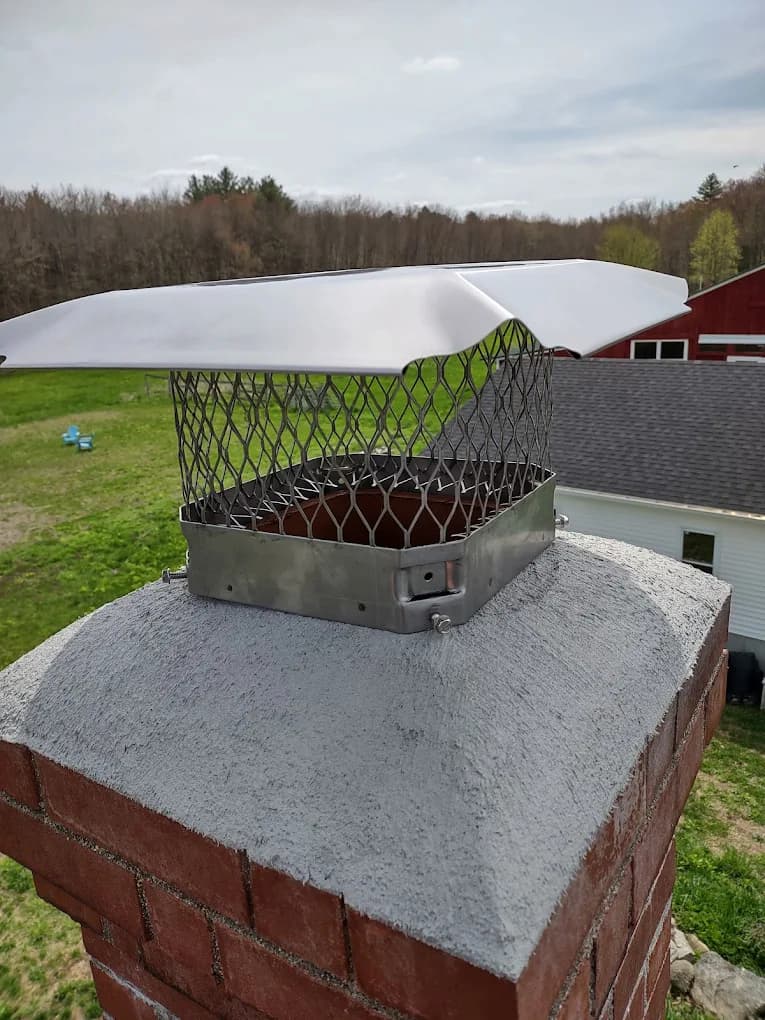
A chimney cap is a protective covering installed at the top of a chimney flue. Most chimney caps are made from metal mesh and solid coverings designed to allow smoke and ventilation to escape while blocking animals, rain, and debris from entering.
A properly installed chimney cap helps protect both the chimney system and the home itself.
Why Animals Enter Chimneys
To wildlife, an open chimney can resemble a hollow tree — a naturally safe nesting location. Connecticut homeowners commonly experience chimney invasions from:
Female raccoons, in particular, often use chimneys as denning sites during spring birthing season. Birds may build nests inside chimney flues, while squirrels and bats can enter through damaged chimney structures or missing caps.
Once inside, animals can become trapped, create blockages, or move deeper into attic and wall spaces.
Signs You May Have Wildlife in Your Chimney
Homeowners may notice several warning signs when animals enter a chimney system.
Common signs include:
- Scratching or movement sounds
- Chirping or animal calls
- Strong odors from the fireplace
- Debris falling into the fireplace
- Visible nesting material
- Animal sightings near the chimney top
- Smoke ventilation issues
In some cases, homeowners first discover a problem after hearing noises at night above the fireplace or inside nearby walls.
How Chimney Caps Prevent Wildlife Problems
A professionally installed chimney cap acts as a physical barrier that prevents animals from entering the chimney while still allowing proper ventilation.
Chimney caps help prevent:
- Raccoon infestations
- Bird nesting
- Bat entry
- Rodent access
- Debris accumulation
- Rainwater intrusion
Because many wildlife infestations begin through vulnerable roofline openings, chimney protection plays an important role in long-term wildlife exclusion.
Chimney Caps Also Protect Against Water Damage
Wildlife is not the only concern. Open chimneys allow rain, snow, and moisture to enter directly into the chimney system.
Over time, water intrusion can cause:
- Chimney liner damage
- Rusting components
- Masonry deterioration
- Interior water stains
- Mold and moisture issues
Connecticut’s changing seasonal weather can accelerate chimney deterioration when caps are missing or damaged.
Bird Nests and Chimney Blockages
Birds frequently build nests inside uncapped chimneys during spring and summer months. Nesting materials can create dangerous ventilation blockages that interfere with fireplace operation.
Blocked chimneys may increase the risk of:
- Smoke backup
- Carbon monoxide issues
- Fire hazards
- Poor ventilation
Professional wildlife inspections often reveal chimney nests that homeowners were completely unaware of.
Why DIY Chimney Protection Can Be Risky
Some homeowners attempt to install inexpensive or improperly sized chimney covers themselves. Poorly fitted caps may:
- Blow off during storms
- Rust quickly
- Restrict airflow
- Fail to stop wildlife entry
- Create ventilation problems
Professional chimney cap installation ensures the cap is:
- Properly secured
- Sized correctly
- Wildlife-resistant
- Safe for ventilation
- Compatible with the chimney structure
Chimney Protection Is Part of Long-Term Wildlife Exclusion
At Soundview Wildlife Control, chimney cap installation is often included as part of a larger wildlife prevention strategy. Many Connecticut homes have multiple vulnerable entry points along rooflines, soffits, vents, and chimneys.
A professional wildlife exclusion inspection may include:
- Chimney inspection
- Roofline evaluation
- Identification of wildlife entry points
- Exclusion recommendations
- Chimney cap installation
- Preventative sealing work
Long-term wildlife prevention focuses on stopping animals before infestations begin.
When to Consider Installing a Chimney Cap
Homeowners should consider chimney cap protection if:
- The chimney is currently uncapped
- The existing cap is damaged or rusted
- Animals have previously entered the chimney
- You hear noises near the fireplace
- You notice water intrusion or debris
- Birds frequently gather around the chimney
Preventative chimney protection is often far less expensive than repairing wildlife damage later.
Protecting Connecticut Homes From Wildlife Entry
Chimney caps are one of the simplest and most effective ways to protect a home from wildlife infestations, water damage, and chimney blockages. Proper chimney protection can help prevent costly repairs while improving long-term home safety.
Soundview Wildlife Control provides wildlife exclusion and prevention services throughout Connecticut, including chimney inspections, animal removal, and chimney cap protection solutions.
If you suspect animals may be entering your chimney or want to prevent future wildlife problems, scheduling a professional inspection can help identify vulnerabilities before larger issues develop.