Many homeowners are surprised to learn how easily wildlife can enter a home through small gaps along the roofline. In Connecticut, soffits and roof vents are some of the most common entry points for animals like bats, squirrels, raccoons, mice, and flying squirrels.
Once animals gain access to these vulnerable areas, they often move directly into attic spaces where they can nest, reproduce, and cause damage over time.
At Soundview Wildlife Control, roofline and soffit inspections are a major part of identifying wildlife activity and preventing recurring infestations throughout Connecticut homes.
What Are Soffits and Roof Vents?
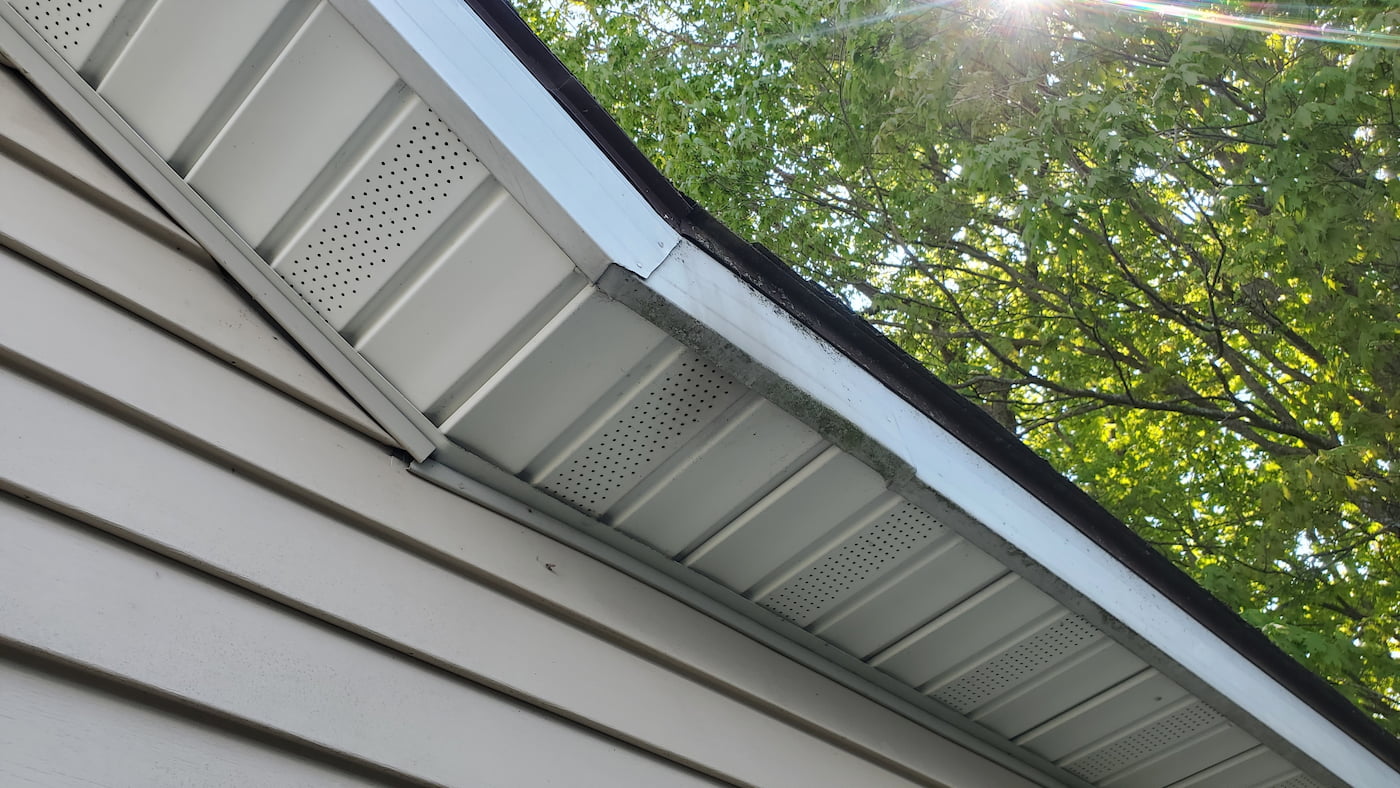
Soffits are the finished underside sections located beneath the edge of the roof overhang. Roof vents are ventilation systems designed to help attics regulate airflow and moisture.
While these areas are important for home ventilation, they can also become vulnerable access points if they are damaged, aging, or improperly sealed.
Wildlife often targets:
- Soffit corners
- Ridge vents
- Gable vents
- Roof returns
- Fascia gaps
- Construction joints
- Damaged vent screens
Many animals only need a very small opening to enter the home.
Why Animals Target Rooflines and Soffits
Rooflines provide warmth, shelter, and protection from predators and weather. Elevated entry points also help animals avoid human activity while creating safe nesting areas inside attic spaces.
Wildlife commonly enters homes looking for:
- Warmth during colder weather
- Nesting locations
- Protection for babies
- Food access
- Safe hiding areas
Connecticut homes with aging soffits, loose vents, or deteriorating roof materials are especially vulnerable.
Common Animals Found Entering Through Soffits and Roof Vents
Bats
Bats commonly enter through gaps near rooflines, soffits, ridge vents, and attic ventilation systems. Because bats can squeeze through openings as small as 3/8 of an inch, even minor construction gaps can become active entry points.
Homeowners may notice:
- Chirping sounds
- Scratching near ceilings
- Staining around soffits
- Bats flying near the roof at dusk
Professional bat exclusion often involves identifying these tiny roofline access points before sealing the structure.
Flying Squirrels
Flying squirrels are one of the most common attic wildlife problems in Connecticut. These nocturnal animals frequently enter through soffit gaps and roof vents.
Signs may include:
- Scratching at night
- Fast movement sounds
- Chewing noises
- Nesting inside insulation
Flying squirrels often enter homes repeatedly if entry points are not professionally sealed.
Raccoons
Raccoons are strong enough to tear open weak soffits, loose fascia boards, and damaged roof vents. Female raccoons commonly enter attics to create nesting areas for their young.
Warning signs may include:
- Heavy thumping sounds
- Torn soffit panels
- Large visible openings
- Strong odors from attic spaces
Raccoons can cause extensive damage in a short period of time.
Mice and Rodents
Rodents often enter through gaps near rooflines, utility penetrations, and attic vent systems. Small openings along soffits can easily allow mice into attic insulation and wall spaces.
Rodent activity may lead to:
- Chewed wiring
- Contaminated insulation
- Droppings
- Strong odors
- Ongoing infestations
How Wildlife Finds Entry Points
Animals are constantly searching for warm, protected shelter. Even well-maintained homes can develop small vulnerabilities over time due to weather exposure and normal aging.
Wildlife may locate openings caused by:
- Loose soffit materials
- Storm damage
- Warped wood
- Rusted vent screens
- Construction gaps
- Roof deterioration
- Poor previous repairs
Once one animal successfully enters, scent trails and nesting activity may attract additional wildlife.
Signs Wildlife May Be Entering Through Your Roofline
Homeowners often notice early warning signs before actually seeing an animal.
Common indicators include:
- Scratching in the attic at night
- Chirping or squeaking sounds
- Staining near soffits or vents
- Visible roofline damage
- Droppings near the home
- Animal activity near the roof at dusk
- Strong odors from attic spaces
Many infestations go unnoticed until the activity becomes more severe.
Why DIY Repairs Often Fail
Many homeowners attempt to seal visible gaps themselves without identifying all active entry points. Unfortunately, wildlife often uses multiple access areas throughout the roofline.
Improper repairs may:
- Trap animals inside
- Cause animals to enter living spaces
- Leave hidden openings untreated
- Lead to recurring infestations
- Create additional structural damage
Professional wildlife exclusion focuses on locating every vulnerable entry area before sealing work begins.
How Professional Wildlife Exclusion Works
At Soundview Wildlife Control, wildlife exclusion focuses on long-term prevention rather than temporary removal.
A professional roofline inspection may include:
- Identifying active wildlife entry points
- Inspecting soffits and roof vents
- Evaluating attic activity
- Safely removing or excluding animals
- Sealing vulnerable gaps
- Installing preventative protection systems
Exclusion work is designed to stop animals from returning after removal.
For bat-related infestations, professionals may use one-way exclusion devices that allow bats to leave safely while preventing re-entry. You can learn more in our blog: “Why One-Way Doors Are Used for Bat Removal.”
Preventing Wildlife Damage in Connecticut Homes
Soffits and roof vents are some of the most common wildlife entry points in Connecticut homes. Small openings along the roofline can quickly lead to attic infestations, insulation damage, contamination, and expensive repairs if left untreated.
Soundview Wildlife Control provides wildlife inspections, exclusion services, and preventative sealing solutions throughout Connecticut to help homeowners protect their homes from recurring wildlife problems.
If you hear scratching in the attic, notice roofline damage, or suspect animals may be entering through soffits or vents, scheduling a professional inspection can help identify the problem before it becomes more serious.