
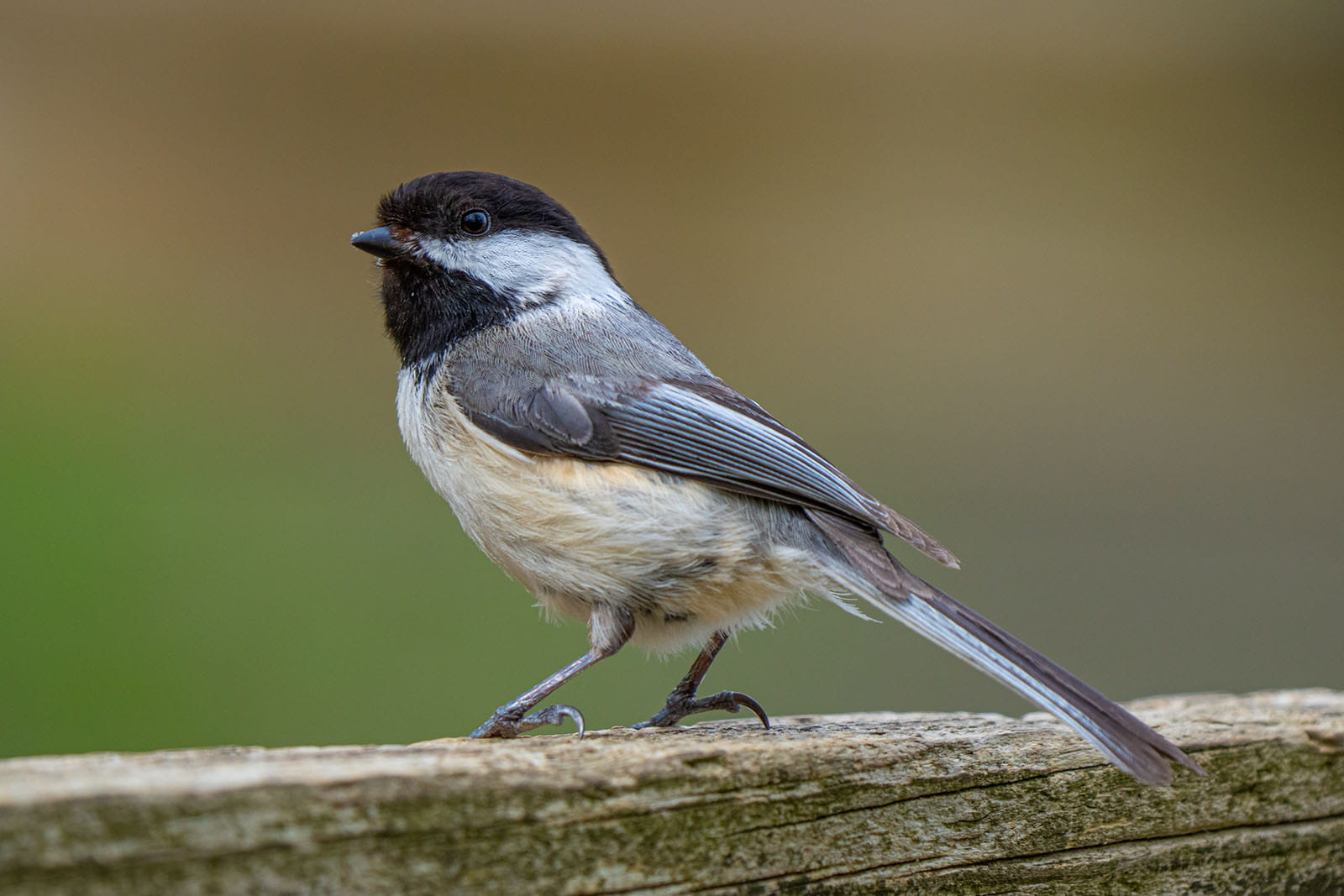
Spring marks a significant increase in wildlife activity throughout Connecticut. As temperatures rise, many animals enter mating and nesting season, leading them to actively search for shelter, food sources, and secure areas to raise their young. Residential structures often provide ideal conditions, which is why spring is one of the most common times for homeowners to experience wildlife issues.
Taking preventive action early in the season can significantly reduce the likelihood of animals entering your home and causing damage.
Why Wildlife Activity Increases in Spring
During spring, species such as raccoons, squirrels, bats, birds, skunks, and groundhogs become more active after winter. This increased movement is driven by:
- Mating behavior and territorial expansion
- Nesting and denning needs
- Greater food availability
- Warmer temperatures that make attic and crawl spaces attractive
Animals often seek quiet, protected areas such as attics, chimneys, soffits, and sheds. Once access is gained, wildlife may remain for extended periods, especially if young are present.
Common Spring Wildlife Problems for Homeowners
Without proper prevention, spring wildlife activity can lead to several issues, including:
- Damage to insulation, ductwork, and wiring
- Structural damage from chewing, clawing, or nesting
- Health concerns from droppings, parasites, and odors
- Increased noise from animals moving or raising young
Many of these problems escalate quickly once animals establish themselves inside a structure.
The Importance of Preventive Wildlife Services
Spring is the most effective time to address potential wildlife problems before animals move in. Preventive wildlife control focuses on identifying and correcting vulnerabilities that allow animals access to a property.
Key benefits of spring prevention include:
- Sealing entry points before animals discover them
- Reducing the risk of nesting inside the home
- Avoiding complications associated with protected species during breeding season
- Preventing costly repairs caused by prolonged wildlife activity
Addressing these issues early is more effective and less disruptive than removal after animals are established.
Effective Springtime Wildlife Prevention Steps
Professional wildlife prevention typically includes:
- A detailed inspection of the home’s exterior and roofline
- Identification of gaps, vents, and structural weaknesses
- Securing and reinforcing common entry points
- Trimming vegetation that provides access to roofs and siding
- Recommendations to reduce attractants such as unsecured food sources
These measures work together to create a long-term solution rather than a temporary fix.
Why Professional Prevention Matters
Wildlife behavior during spring can be complex, especially when animals are nesting or raising young. Improper handling or delayed action can lead to repeat infestations or legal complications. Professional wildlife control ensures that prevention methods are effective, humane, and compliant with local regulations.
At Soundview Wildlife Control, the focus is on long-term protection through inspection, exclusion, and prevention — not just removal.
Prepare Your Property Before Wildlife Becomes a Problem
Spring moves quickly, and wildlife activity increases as the season progresses. Scheduling a wildlife inspection early helps protect your home before animals attempt to gain access.
Preventive wildlife services provide peace of mind and help ensure that your home remains secure throughout the busy spring and summer months.