
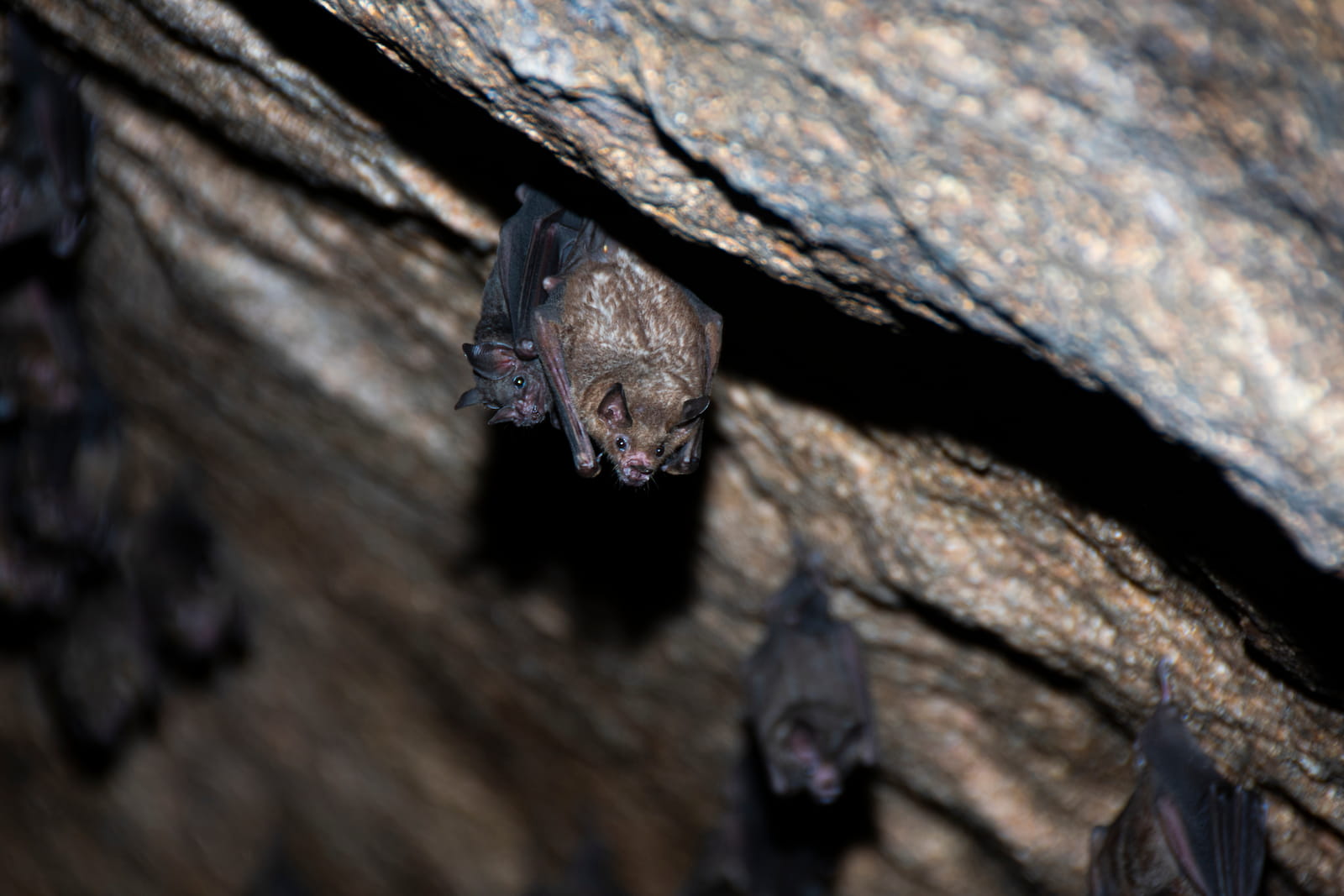
If you’ve discovered bats in your attic, your first instinct is probably to get them out as quickly as possible. But in Connecticut, bat removal isn’t something that can be done at just any time of year.
There are specific seasonal restrictions and best practices that determine when bats can be safely and legally removed—and acting at the wrong time can make the problem worse.
Why Bat Removal Timing Matters
Bats are a protected species in many parts of the United States, including Connecticut, because of their important role in the ecosystem. They help control insect populations and are especially beneficial during the summer months.
Because of this, removal methods must be:
- Humane
- Non-lethal
- Timed around their lifecycle
The biggest factor affecting removal timing is maternity season.
What Is Bat Maternity Season?
In Connecticut, bat maternity season typically runs from late spring through mid-to-late summer (roughly May through August).
During this time:
- Female bats give birth to pups
- Baby bats cannot fly for several weeks
- Colonies remain hidden inside attics and structures
If bats are removed or excluded during this period, the flightless young are left behind.
Why You Can’t Remove Bats During Maternity Season
Attempting bat removal during maternity season can lead to serious problems:
1. Trapped Baby Bats
If entry points are sealed, mother bats are locked out while babies remain inside. This often results in:
- Dead animals in walls or attics
- Strong odors
- Insect infestations
2. Bats Entering Living Spaces
Desperate mother bats may try to re-enter your home, sometimes ending up inside living areas.
3. Legal & Ethical Concerns
Improper removal can violate wildlife protection guidelines and is considered inhumane.
When Bat Removal Is Allowed in Connecticut
The safest and most effective times for bat removal are:
Early Spring (Before Maternity Season)
- Bats have returned from hibernation but have not yet given birth
- Colonies are smaller and easier to manage
- Ideal time for inspections and early exclusion
Late Summer to Early Fall (After Pups Can Fly)
- Young bats are fully mobile
- Entire colony can safely exit through exclusion devices
- Most common and recommended removal window
What to Do If You Have Bats Right Now
If you discover bats during maternity season, don’t panic—but don’t try to fix it yourself either.
A professional wildlife control company can:
- Confirm whether bats are present
- Identify entry points
- Determine if removal can be done immediately or must be scheduled
- Set up a plan for safe exclusion at the right time
In some cases, temporary solutions may be used until full removal is possible.
How Bat Removal Actually Works
Proper bat removal doesn’t involve trapping or killing bats. Instead, it uses a method called exclusion.
This process includes:
- Installing one-way devices that allow bats to leave
- Preventing them from re-entering
- Sealing all potential access points
When done correctly—and at the right time—this permanently solves the problem.
Why Timing Your Inspection Is Critical
Many homeowners wait until they hear noises or see bats, but by then, it may already be too late in the season for immediate removal.
Scheduling an inspection:
- Early in the spring can allow for fast action
- During summer helps you get on the schedule for proper removal
- Before fall ensures the issue is resolved before winter
The earlier you catch the problem, the more options you have.
How to Prevent Future Bat Problems
Once bats are removed, prevention is essential. Otherwise, they will return to the same location year after year.
Key prevention steps include:
- Sealing gaps along rooflines and soffits
- Installing vent and chimney covers
- Repairing any structural openings
- Ongoing home maintenance and inspections
Don’t Wait Until It’s Too Late
Bat removal isn’t just about getting them out—it’s about doing it at the right time.
If you act too late in the season, you may be forced to wait months before the issue can be fully resolved. That’s why early detection and professional guidance are so important.
Schedule a Bat Inspection Today
If you suspect bats in your attic or have noticed signs of activity, the best next step is a professional inspection.
An expert can assess your situation, explain your options, and create a plan that ensures safe, legal, and permanent removal—without putting your home or the bats at risk.