
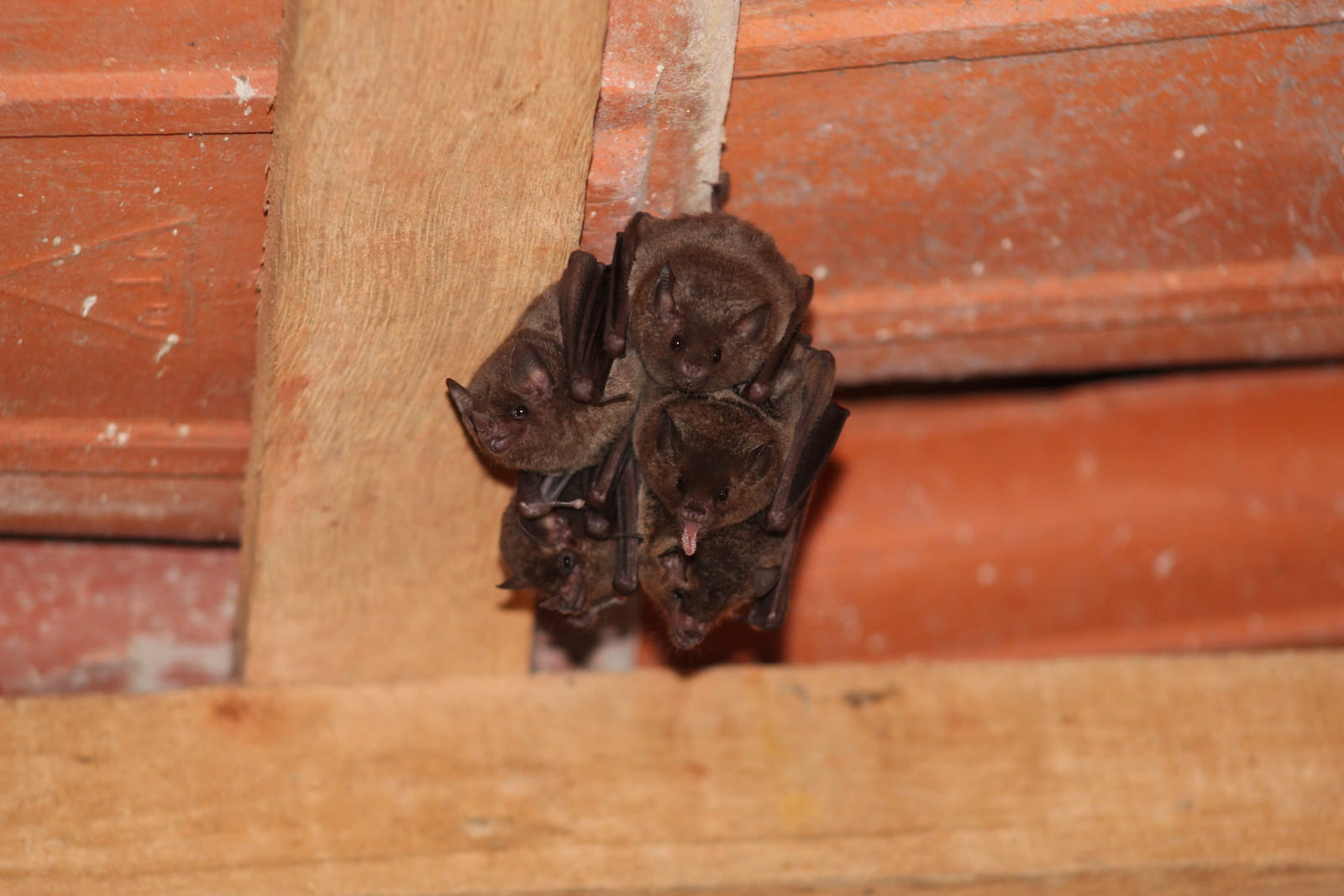
If you’ve started hearing scratching, fluttering, or chirping noises coming from your attic—especially around dusk—you may not be dealing with rodents. In many Connecticut homes, those sounds point to something else: bats.
Spring and early summer are peak seasons for bat activity, and once they move in, they rarely leave on their own. Understanding why bats choose your home, how to identify an issue early, and what to do next can save you from costly damage and ongoing problems.
Why Bats Are Entering Homes Right Now
Bats aren’t trying to invade your home—they’re looking for a safe place to live. Unfortunately, your attic checks all the boxes.
During the spring, female bats search for warm, protected spaces to form maternity colonies, where they give birth and raise their young. Attics provide:
- Stable, warm temperatures ideal for pups
- Protection from predators
- Minimal human disturbance
- Easy access through small gaps and vents
Even a gap as small as ½ inch along your roofline or soffit can be enough for bats to get inside.
Once they establish a roost, bats tend to return to the same location year after year unless the issue is properly addressed.
Common Signs of Bats in Your Attic
Bat infestations often go unnoticed at first. Knowing what to look (and listen) for is key.
You may have bats if you notice:
- Light scratching or fluttering sounds, especially at dusk or dawn
- High-pitched chirping noises
- Dark staining or streaks near rooflines, vents, or entry points
- Small, pellet-like droppings (guano) accumulating in the attic
- Bats flying out of your home around sunset
Unlike rodents, bats are most active at night, so daytime silence doesn’t mean the problem is gone.
Why Bat Infestations Shouldn’t Be Ignored
While bats are beneficial outdoors—they can eat thousands of insects per night—they can cause serious issues inside your home.
Health Concerns
Bat guano can harbor fungal spores that may lead to respiratory issues when disturbed. In addition, while rare, bats are one of the primary carriers of rabies in the United States.
Structural Damage
Over time, guano buildup can:
- Damage insulation
- Create strong, persistent odors
- Lead to staining and contamination
Growing Colonies
What starts as a small issue can quickly grow into a large colony, especially during maternity season.
Why DIY Bat Removal Can Make Things Worse
Many homeowners try to solve the problem themselves—and unintentionally make it worse.
Bats are protected in many areas, and there are strict guidelines on when and how they can be removed, especially during maternity season when young bats cannot fly.
Common DIY mistakes include:
- Sealing entry points too early, trapping bats inside
- Separating mothers from pups, leading to dead animals in walls
- Using repellents that don’t work and prolong the issue
Proper removal requires timing, experience, and a full understanding of bat behavior.
The Right Way to Remove Bats: Humane Exclusion
The only effective and responsible method for bat removal is exclusion.
This process includes:
- Full Inspection – Identifying all active and potential entry points
- One-Way Devices – Allowing bats to exit safely but not re-enter
- Sealing the Structure – Closing off all gaps to prevent future access
This ensures the bats leave safely—without harming them—and don’t return.
Timing Matters: Bat Maternity Season in Connecticut
One of the most important factors in bat removal is timing.
During maternity season (typically late spring through mid-summer):
- Baby bats cannot fly
- Exclusion cannot be performed safely
- Improper removal can lead to serious odor and health issues
This is why inspections early in the season are critical. A professional can determine whether removal can be done immediately or scheduled for the appropriate time.
How to Prevent Bats from Coming Back
Once bats are removed, prevention is key. Without proper sealing, they will return.
Effective prevention strategies include:
- Sealing gaps along rooflines, soffits, and fascia
- Installing vent and chimney covers
- Repairing damaged siding or roofing
- Scheduling annual home inspections
Homes near water or wooded areas—common throughout southeastern Connecticut—are especially prone to recurring bat activity.
When to Call a Professional
If you suspect bats in your attic, the sooner you act, the better. Early intervention can:
- Reduce cleanup costs
- Prevent colony growth
- Avoid seasonal removal delays
Professional wildlife control ensures the problem is handled safely, legally, and permanently.
Protect Your Home This Season
Bats may be a natural part of Connecticut’s ecosystem, but they don’t belong in your attic. With the right approach, you can remove them safely and keep your home protected year-round.
If you’re hearing unusual noises or suspect bat activity, now is the time to take action before the problem grows.