
Humane Wildlife Control in Madison, CT & nearby areas
Soundview Wildlife Control operates out of Madison and serves homes and businesses across the shoreline, from New Haven and Branford through Guilford, Clinton, Westbrook, and Old Saybrook. Houses here have their own quirks. Fieldstone foundations, salt-weathered cedar, and roof lines added onto across generations give animals more ways in than a newer build ever would. Put that next to tidal marsh, wooded lots, and the state parks along the Sound, and the pressure never really lets up. Our work is humane wildlife control and animal conflict resolution: getting the animal out, keeping it out, and repairing the damage it left behind.
Locally Owned & Working The Connecticut Shoreline
Most wildlife calls are not really about the animal. They are about the gap in the soffit that let it in, the insulation it soiled, and whether the same thing happens again next spring. A company that sets a trap and leaves has treated a symptom. We inspect the structure first, find every entry point, and build the plan around sealing the building so the problem does not repeat. That takes longer up front, and it is why the repairs hold. It also means you get a straight answer about timing. Some situations call for removal today. Others call for waiting out a maternity season so flightless young are not sealed inside a wall. We will tell you which one you are in.
Licensed, Insured & Certified
Connecticut HIC, NWCO, and pest control registrations, carried alongside ongoing certification in bat, bird, and rodent work.
Environmentally Responsible
Exclusion and habitat modification come first. Animals are handled in a way that resolves the conflict without unnecessary harm.
Local Connecticut Experience
Shoreline homes, coastal humidity, and the species that thrive here are what we work on every week, not an occasional job.
Wildlife Control & Removal
Attic noise, a chewed vent, a smell that will not clear, a groundhog under the shed. The shoreline produces the same handful of problems year after year, and each one has an entry point behind it.
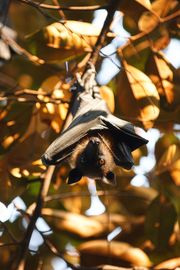
Bat & Bird Removal
Bats in attics and birds in vents, dryer lines, and eaves. Exclusion is timed around the maternity season and finished with sealed, permanent materials rather than temporary screening.

Squirrel & Groundhog Removal
Gray and flying squirrels in attics and soffits, groundhogs under decks, sheds, porches, and foundations. We remove the animals and close the openings and burrow paths they were using.
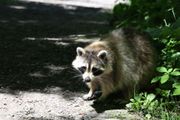
Raccoon, Opossum & Skunk Removal
Raccoons in chimneys and attics, opossums and skunks under porches and crawl spaces. These species cause heavy damage fast, so removal is paired with reinforced structural repair.
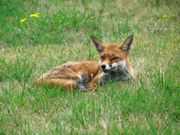
Nuisance Wildlife Removal
Fox denning under outbuildings, along with the assorted conflicts that do not fit a category. If something is on your property and should not be, we will assess it.
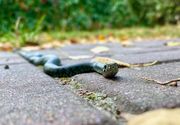
Reptile & Amphibian Removal
Snakes in basements, garages, stone walls, and window wells. Identification comes first, then safe removal and a look at the moisture and harborage drawing them in.
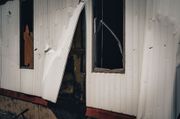
Wildlife Damage Repair
Chewed fascia, torn soffit, damaged vents, and contaminated insulation. Repairs are built to keep the next animal out, using metal flashing and hardware cloth where chewing is likely.
Pest Control Services
Insects and rodents follow the same logic as wildlife. Treatment handles what is inside now; sealing the structure decides whether it comes back.
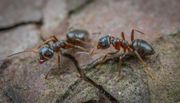
Ant & Termite Control
Carpenter ants working moist framing and termites entering through soil contact. Both are inspected as structural issues, not just surface activity, before any treatment is applied.
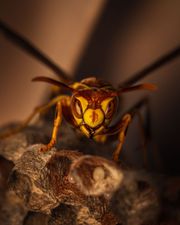
Bee, Wasp & Hornet Control
Nests in eaves, siding, wall voids, and ground cavities. Removal is handled with attention to the difference between an aggressive stinging colony and a pollinator worth leaving alone.
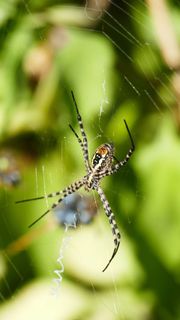
Spider, Flea & Mite Control
Interior spider activity, fleas brought in by pets or wildlife, and mites left behind after a bird or rodent problem. Treatment targets the source, not the sighting.
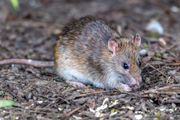
Rodent Control
Mice and rats in basements, walls, attics, and commercial spaces. Monitoring, tracking, and entry-point work identify the actual route in rather than baiting indefinitely.
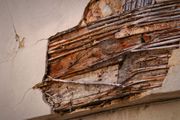
Pest Damage Repair
Sealing gaps around sill plates, utility penetrations, vents, and door sweeps. This is the step that turns a one-time treatment into a lasting result.
Certifications Behind Every Inspection
Wildlife work in Connecticut is regulated, and it should be. We hold Home Improvement Contractor registration HIC #0702703, Nuisance Wildlife Control Operator license NWCO #N1722, and Pest Control Registration #PMBR.05316.
Beyond state licensing, our team maintains certification through industry training programs covering structural bat management, bird management, rodent standards, goose management, and zoonotic disease safety. That last one matters more than most homeowners realize. Bat guano, raccoon latrines, and rodent contamination each carry health risks that call for specific handling and cleanup procedures.
Training is also why we can explain what we are doing and why. The badges below represent completed coursework and continuing education, and we are glad to walk through what any of them covers.

Hear From Local Homeowners
Our reviews come from the kinds of calls we take every week. A rat coming and going from a basement, tracked with cameras and powder until the access point was found and closed. A bat discovered in a home in Guilford, with custom-cut metal installed to seal the gaps for good. Flying squirrels in office eaves, and the mice found during the same inspection. A groundhog in a basement, followed by a full walk of the property to flag the next vulnerable spot.
Commercial clients describe something similar after cycling through national chains: rodent monitoring, bird deterrence, and structural hardening handled by someone who shows up and knows the building. Read the full reviews on Google and see whether the pattern matches what you need.
request An Inspection
If you are hearing scratching overhead, finding droppings, smelling something in a wall, or watching an animal disappear under your deck, the next step is an inspection. We look at the full structure, identify how the animal is getting in, and give you a clear plan with the repair work spelled out.
Fill out the form with your property type and what you are dealing with, and we will get back to you as soon as possible. Same-day response is often possible for active situations along the shoreline.
Contact Us
We will get back to you as soon as possible.
Please try again later.