
Bee, Hornet & Wasp Removal & Control
Bees, hornets, and wasps play an important role in the environment, but when they build nests too close to your home or business, they can become dangerous. At Soundview Wildlife Control, we provide safe, professional, and environmentally responsible stinging insect removal throughout Connecticut. Our goal is to protect your family and property while preserving beneficial pollinators whenever possible.
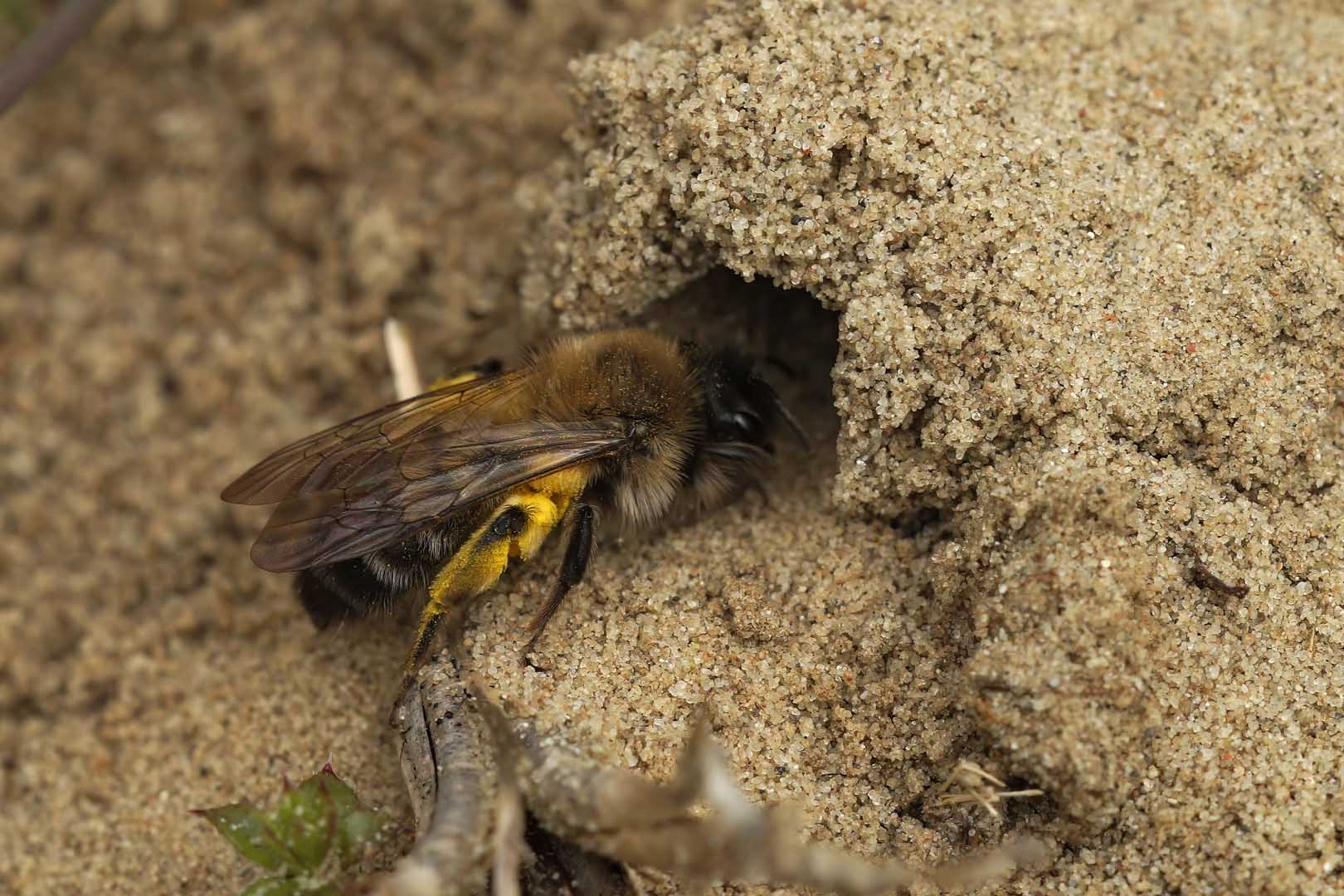
Understanding Bees, Hornets & Wasps
These insects are part of the same family but differ in behavior and temperament:
- Bees are vital pollinators and generally non-aggressive unless threatened.
- Wasps are more territorial and can sting multiple times, often nesting in walls, attics, or eaves.
- Hornets, a type of wasp, are larger and can become very aggressive if their nests are disturbed.
All three species are most active in the warmer months, building nests in trees, sheds, soffits, and other sheltered areas. Their presence near doorways, decks, or play areas poses serious safety concerns.
Signs You Have a Bee, Hornet, or Wasp Problem
- Increased buzzing or swarming near your home or roofline
- Visible nests on eaves, decks, or trees
- Holes or gaps in siding where wasps may be entering
- Aggressive behavior or frequent stings around your property

Signs You Have a Bee, Hornet, or Wasp Problem
- Increased buzzing or swarming near your home or roofline
- Visible nests on eaves, decks, or trees
- Holes or gaps in siding where wasps may be entering
- Aggressive behavior or frequent stings around your property
The Dangers of a Stinging Insect Infestation
While bees are essential to pollination, stings from hornets and wasps can be painful and, for some individuals, life-threatening due to allergic reactions. Large nests near entryways or living spaces increase the risk of accidental encounters. Additionally:

Nesting inside walls or attics can lead to structural damage.

Carpenter bees can bore holes into wood, weakening decks, fences, or trim.

Dead insects and leftover nests can attract other pests if not properly removed.
Our Safe & Humane Removal Process
1.
Inspection
We identify the species, nest size, and nesting location.
2.
Treatment or Relocation
Bees may be relocated when possible; hornets and wasps are safely treated using targeted methods.
3.
Nest Removal
We remove the nest and clean the area to prevent re-infestation.
4.
Exclusion & Prevention
Entry points are sealed and attractants are minimized to keep insects away.
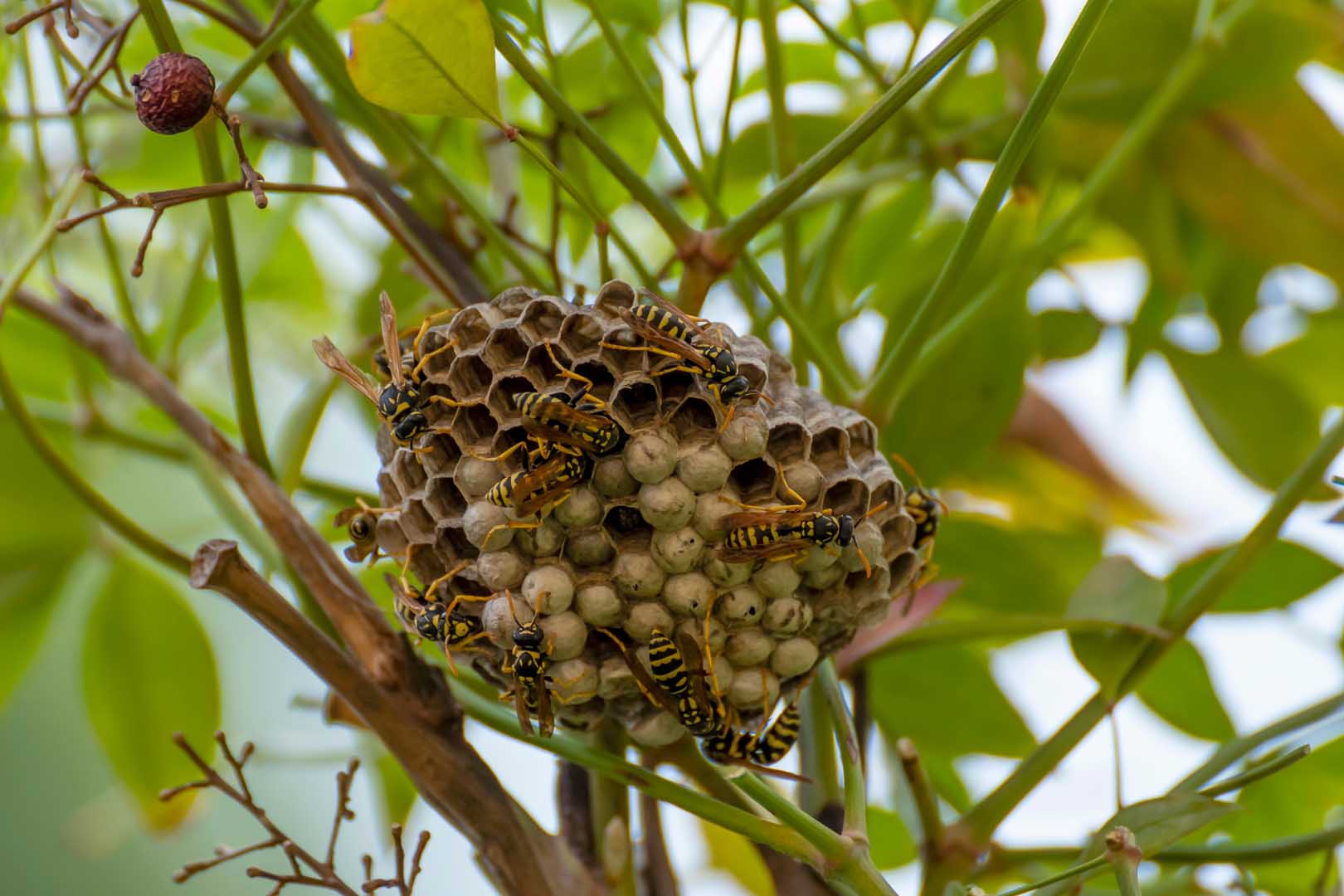
Products We Use for Bee, Hornet & Wasp Control
When managing stinging insects, we use products that deliver targeted results with minimal environmental impact. Treatments like Alpine Dust, Tempo, and Demand CS help safely eliminate active nests, while FastCap provides residual protection against re-infestation. For more sensitive areas, Nature-Cide is used as a plant-based deterrent that’s safe for pollinators and beneficial insects.
Why Choose Soundview Wildlife Control?
- Environmentally conscious and humane removal practices
- Licensed and experienced in handling stinging insects safely
- Fast, reliable response for emergency infestations
- Serving Madison, Guilford, Branford, New Haven, and all of Connecticut
Schedule Bee, Hornet & Wasp Removal Services
Don’t let stinging insects threaten your home or family. Contact Soundview Wildlife Control today for professional bee, hornet, and wasp removal throughout Connecticut—safe for you, your property, and the environment.
Frequently Asked Questions
What’s the difference between bees, wasps, and hornets?
Bees are important pollinators and are generally less aggressive. Wasps and hornets are more territorial and can become aggressive when disturbed. Proper identification is important before removal.
Are wasp nests dangerous near my home?
Yes. Wasps and hornets may sting repeatedly and can become aggressive if their nest is disturbed. Nests near entryways, decks, or play areas should be professionally removed.
Should I remove a bee or wasp nest myself?
DIY nest removal can be dangerous and may increase the risk of stings. Professional pest control ensures nests are safely handled and properly removed.
When are bees and wasps most active in Connecticut?
Activity typically increases in spring and summer, with wasps and hornets becoming especially aggressive in late summer and early fall.
Can you prevent bees or wasps from returning?
Yes. We can identify nesting areas, remove active nests, and recommend preventative measures to reduce future activity around your property.