
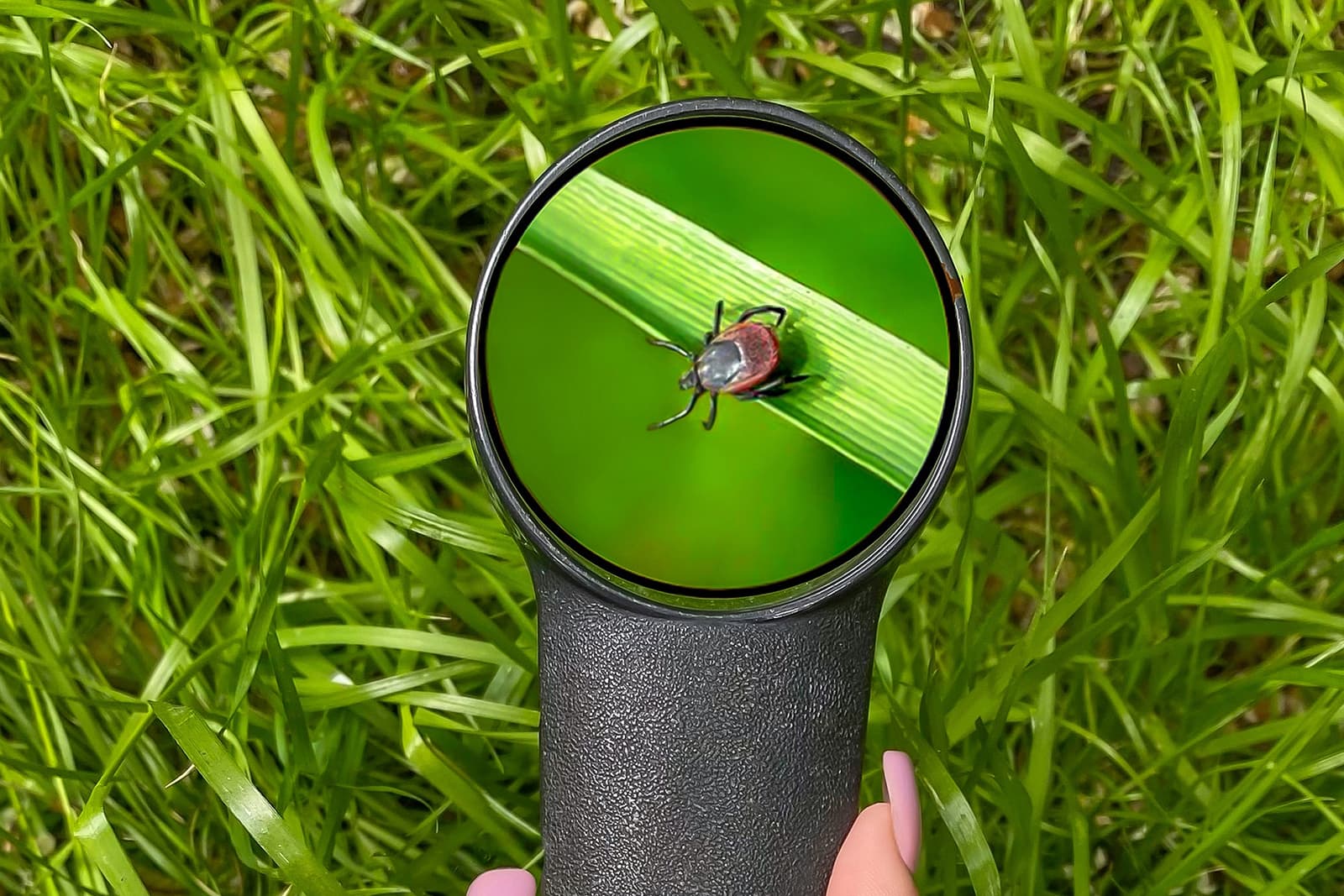
As temperatures rise across Connecticut, so does activity from some of the most persistent and problematic pests: fleas and ticks.
While small in size, these pests can create big problems for homeowners—impacting your yard, your pets, and even your family’s health. And once they’re established, they can be difficult to eliminate without the right approach.
Understanding how flea and tick season works—and what you can do early—can make all the difference.
When Is Flea & Tick Season in Connecticut?
Flea and tick activity typically begins in early spring when temperatures consistently rise above freezing. From there, populations grow rapidly through:
- Late spring
- Summer
- Early fall
Ticks, in particular, are a major concern in Connecticut due to the prevalence of deer ticks, which are known carriers of Lyme disease.
The key takeaway: by the time you start noticing them, they’re already well established.
Why Fleas & Ticks Are a Bigger Problem Than You Think
Many homeowners assume fleas and ticks are just a nuisance—but they pose real risks.
Health Risks
Ticks are known to carry diseases such as:
- Lyme disease
- Anaplasmosis
- Babesiosis
Fleas can also:
- Transmit bacteria
- Cause skin irritation and allergic reactions
- Infest indoor spaces quickly
Fast Infestation Cycles
Fleas reproduce extremely quickly. A small issue can turn into a full-blown infestation in a matter of weeks—especially if pets are involved.
How Fleas & Ticks Get Onto Your Property
These pests don’t just appear—they’re introduced and sustained by their environment.
Common sources include:
- Wildlife like deer, raccoons, and rodents
- Pets that spend time outdoors
- Tall grass, wooded areas, and leaf litter
- Shaded, moist environments
Homes in southeastern Connecticut—especially near wooded or coastal areas—are particularly vulnerable due to ideal habitat conditions.
Signs You May Have a Problem
Fleas and ticks are easy to miss early on. Here are some warning signs:
Fleas:
- Pets scratching excessively
- Small black specks (flea dirt) in pet fur or bedding
- Bites around ankles or lower legs
Ticks:
- Ticks found on pets or clothing
- Increased sightings after spending time outdoors
- Presence in tall grass or yard edges
Catching the issue early is key to preventing a larger infestation.
What Actually Works: Flea & Tick Prevention Strategies
The most effective control plans combine prevention, habitat management, and targeted treatments.
1. Yard Maintenance Is Your First Line of Defense
Simple landscaping changes can dramatically reduce flea and tick populations.
Focus on:
- Keeping grass short
- Removing leaf litter and yard debris
- Trimming back overgrown shrubs
- Creating clear borders between lawn and wooded areas
Ticks thrive in damp, shaded environments—reducing these areas makes your yard less inviting.
2. Manage Wildlife Activity
Wildlife is one of the biggest contributors to flea and tick problems.
Animals like:
…can all carry ticks onto your property.
Reducing attractants—like unsecured trash, bird feeders, and accessible shelter areas—can help limit exposure.
3. Protect Your Pets
Pets are often the bridge between outdoor infestations and your home.
Best practices include:
- Regular flea and tick prevention treatments
- Checking pets after time outdoors
- Washing pet bedding frequently
If fleas enter your home, they can quickly spread to carpets, furniture, and other areas.
4. Targeted Yard Treatments (Beyond Basic Sprays)
While traditional sprays are common, many homeowners are now looking for more targeted and lower-impact solutions.
Effective options may include:
- Treatments focused on high-risk areas (not the entire yard)
- Granular applications that target where pests live
- Integrated approaches that reduce reliance on repeated spraying
The goal is to control fleas and ticks at the source—not just temporarily reduce activity.
5. Timing Matters More Than You Think
One of the biggest mistakes homeowners make is waiting until fleas or ticks are already a problem.
The best time to act is:
- Early spring, before populations spike
- After mild winters, when pest activity is higher than usual
- As soon as you notice the first signs of activity
Proactive treatment is always more effective—and more affordable—than reactive solutions.
Why Flea & Tick Problems Often Come Back
Even after treatment, many homeowners find that fleas and ticks return.
This usually happens because:
- The root cause (wildlife, habitat, moisture) wasn’t addressed
- Treatments weren’t timed correctly
- Only indoor or only outdoor areas were treated
Long-term control requires a comprehensive approach, not a one-time fix.
A Smarter Approach to Seasonal Pest Control
Flea and tick control isn’t just about reacting—it’s about building a plan that protects your property throughout the season.
By combining:
- Prevention
- Habitat management
- Targeted treatments
…you can significantly reduce your risk and enjoy your outdoor space with confidence.
Get Ahead of Flea & Tick Season
If you’re already seeing signs of fleas or ticks, now is the time to act before the problem spreads.
A professional evaluation can help identify:
- High-risk areas around your property
- Sources of infestation
- The most effective treatment strategy for your yard
From there, you can put a plan in place that works—not just for today, but for the entire season.