
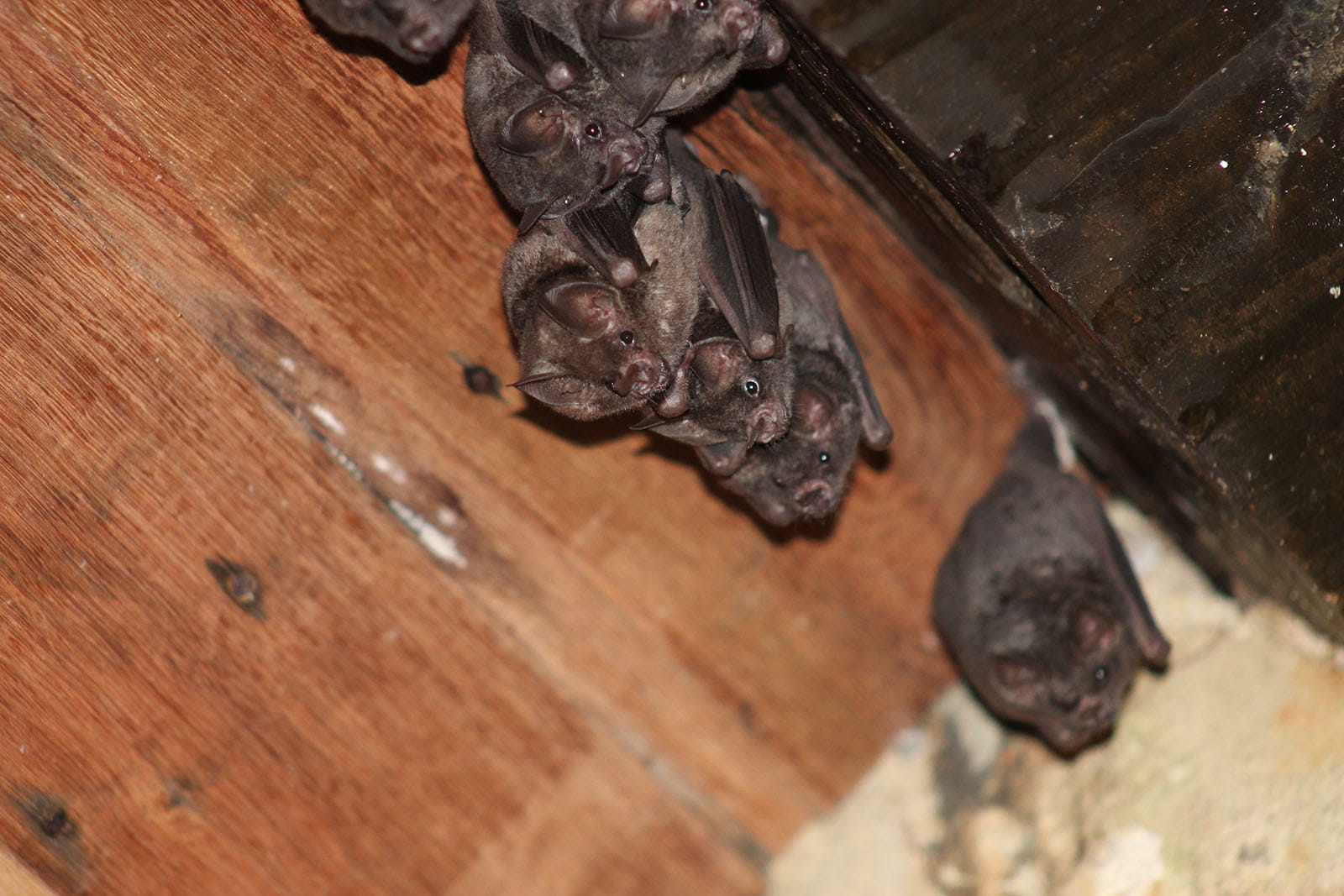
Bats are a common wildlife concern in Connecticut, particularly in the spring when they become more active after hibernation. While they play a valuable role in the ecosystem, bats can cause property damage and health risks when they roost in homes. Understanding how bats enter your home is the first step in preventing infestations.
For professional help, Soundview Wildlife Control offers humane wildlife control and wildlife control services designed to keep your home safe without harming the animals.
Why Bats Enter Homes
Bats look for safe, dark, and elevated spaces to roost. Common reasons they may attempt to enter homes include:
- Mating and maternity season in spring
- Shelter from predators and weather
- Proximity to food sources, such as insects attracted to outdoor lights
Once inside, bats can damage insulation, create odor problems, and leave droppings (guano) that pose health risks. Early prevention is crucial to avoid more serious infestations.
Common Bat Entry Points
Bats can enter through surprisingly small openings—some as small as half an inch. Common access points include:
- Rooflines and Gables
- Cracks in fascia boards, soffits, or shingles
- Small gaps near roof peaks or attic vents
- Chimneys and Vents
- Open chimneys without caps
- Dryer vents, plumbing vents, or ridge vents that are not properly screened
- Siding and Eaves
- Gaps where siding meets corners
- Openings at eaves or overhangs that bats can squeeze through
- Overhanging Trees and Branches
- Trees that touch the roof can act as launch points for bats
- Limbs near rooflines make it easier for bats to access small gaps
Identifying and sealing these entry points early can prevent bats from roosting inside your home.
How to Seal Bat Entry Points Safely
Sealing entry points should be done carefully, especially during the spring and summer months when bats may have young inside. Improper sealing can trap bats indoors, creating safety hazards. Key steps include:
- Inspect all potential entry points during the day when bats are out feeding
- Seal cracks and gaps with durable materials such as metal flashing, caulk, or mesh
- Install one-way exclusion devices if bats are present, allowing them to leave but not return
For homeowners searching “bat removal near me” or “humane bat removal near me,” professional services ensure the exclusion process is effective, legal, and safe for both the bats and your household.
Why Professional Wildlife Control Services Are Important
DIY attempts at bat exclusion can be dangerous and often ineffective. Professional wildlife control services offer:
- Thorough inspections to identify all potential entry points
- Humane methods that comply with local and federal wildlife regulations
- Long-term solutions to prevent repeat infestations
Soundview Wildlife Control specializes in humane wildlife control, prioritizing the safety of both homeowners and animals. Our goal is to remove and exclude bats without harming them while keeping your home secure year-round.
Prevent Bat Infestations Before They Start
Spring is an ideal time to address potential bat problems before they become a serious issue. Regular inspections, proper sealing, and professional exclusion services can prevent property damage, reduce health risks, and give homeowners peace of mind.
If you notice signs of bats or are concerned about potential entry points, contact Soundview Wildlife Control for humane bat removal near me and expert wildlife control services. Acting early ensures your home remains protected while bats are safely excluded.