
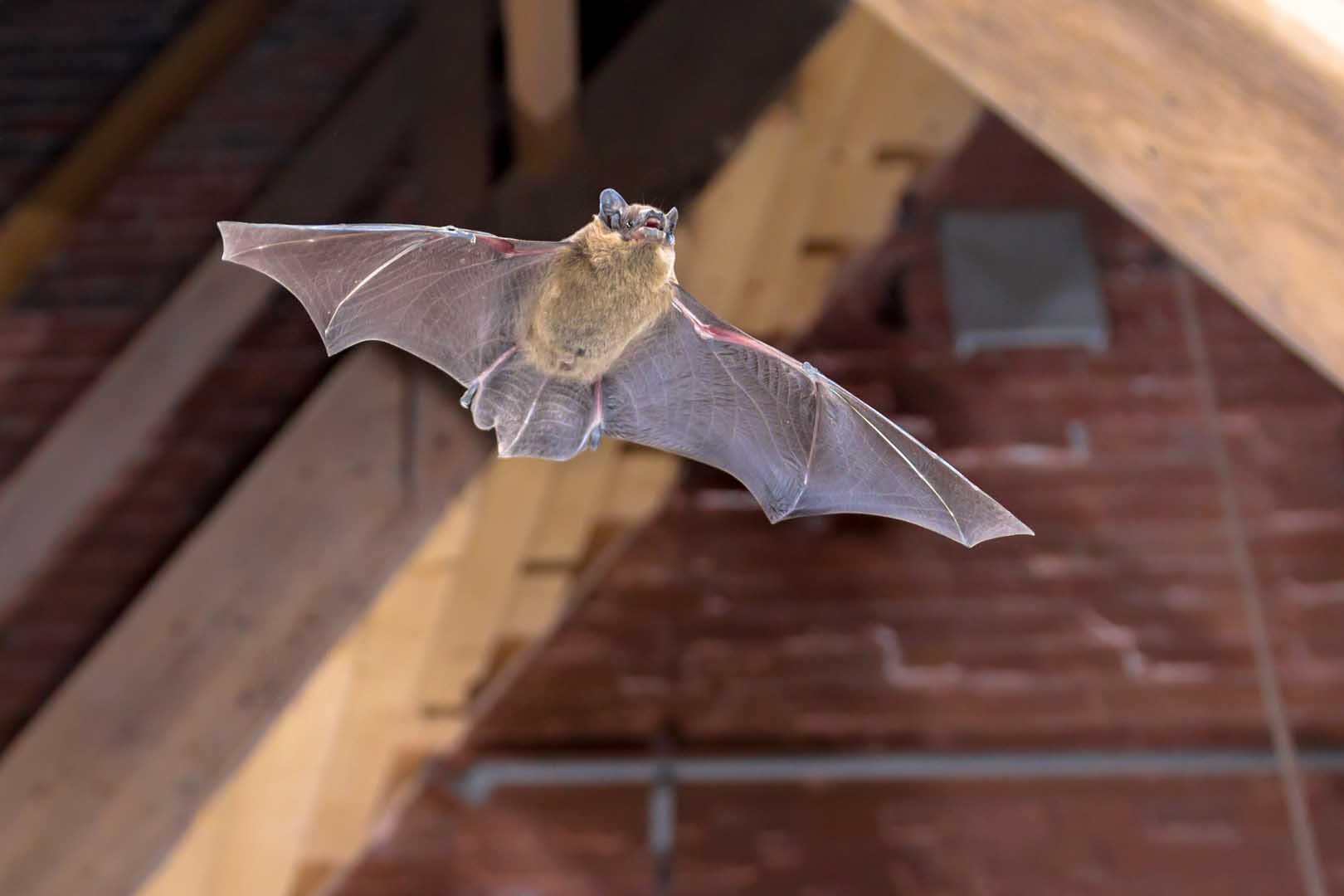
Connecticut homeowners are no strangers to encounters with local wildlife. As temperatures drop or the weather turns, attics become attractive refuges for raccoons, squirrels, bats, birds, and even rodents seeking warmth and shelter. Uninvited guests in your attic can cause property damage, pose health risks, and create unwanted noise. But how can you tell if wildlife has moved into your attic? Here’s a detailed guide to recognizing the signs and understanding the following steps to take.
Common Signs of Wildlife Activity in the Attic
Unusual noises, such as scratching, scurrying, or thumping, are most frequently heard at dawn or dusk, when many animals are active. Additionally, chirping or squeaking from bats, birds, and rodents often fills the night air as they communicate.
Another clear indicator of wildlife presence is animal droppings; feces found in the attic can provide clues about the type of animal, as squirrel droppings are typically oblong and larger than those of mice. Similarly, persistent urine smells or ammonia-like odors may signal a long-term infestation, warning homeowners of the need for prompt action.
Physical damage caused by rodents and squirrels is significant, as they are notorious for gnawing on electrical wires and tearing up insulation for nesting material.
It’s essential to inspect for entry holes or gaps along eaves, vents, or rooflines, as these are common points of entry for wildlife. Additionally, you might find shredded paper, leaves, or fabric in corners or under insulation, which indicates that animals have brought in materials to build nests.
Lastly, checking for animal tracks or footprints on dusty surfaces, such as beams or floorboards, can provide valuable clues about the size and type of intruder.
Identifying the Type of Animal
Knowing what species might be in your attic is essential for safety and planning your next steps. Squirrels are active during the day, producing rapid scratching or rolling sounds, and often enter through roof vents or soffits. Raccoons create heavy thumping or walking noises and may use attics as a den for raising their young. Bats can be identified by their high-pitched squeaks, particularly at dusk or dawn, and they typically enter through small gaps or vents. Rodents, such as mice and rats, make scurrying and gnawing sounds, especially at night, and their presence is often indicated by droppings and chewed materials. Lastly, birds can be recognized by their flapping wings, chirping, and nesting debris found near vents or eaves.
Potential Problems Caused by Attic Wildlife
Structural damage caused by chewing and nesting can compromise insulation, wiring, and wooden structures, leading to significant repair costs. Additionally, gnawed electrical wires pose fire hazards, increasing the risk of attic fires. There are also health concerns associated with animal infestations, as droppings and urine can spread bacteria and diseases, while some animals may carry parasites like ticks or mites. Moreover, the noise disturbances from animal activity can disrupt sleep and daily routines, making it essential to address these issues promptly.
What to Do if You Suspect Wildlife in Your Attic
If you notice any of the above signs, avoid entering the attic or attempting to remove the animal yourself, as wild animals can be aggressive or carry diseases. Instead, document the signs and consider reaching out to local animal control authorities or a licensed wildlife professional for advice on safe and humane removal.
Conclusion
Locating wildlife in your attic isn’t always straightforward, but by staying alert to signs such as noises, droppings, damage, and entry points, Connecticut homeowners can quickly identify potential problems. Prompt recognition enables timely and safe intervention, helping to protect both your home and the animals involved. Regular attic inspections, especially after seasonal changes, are key to maintaining a secure and wildlife-free home.