
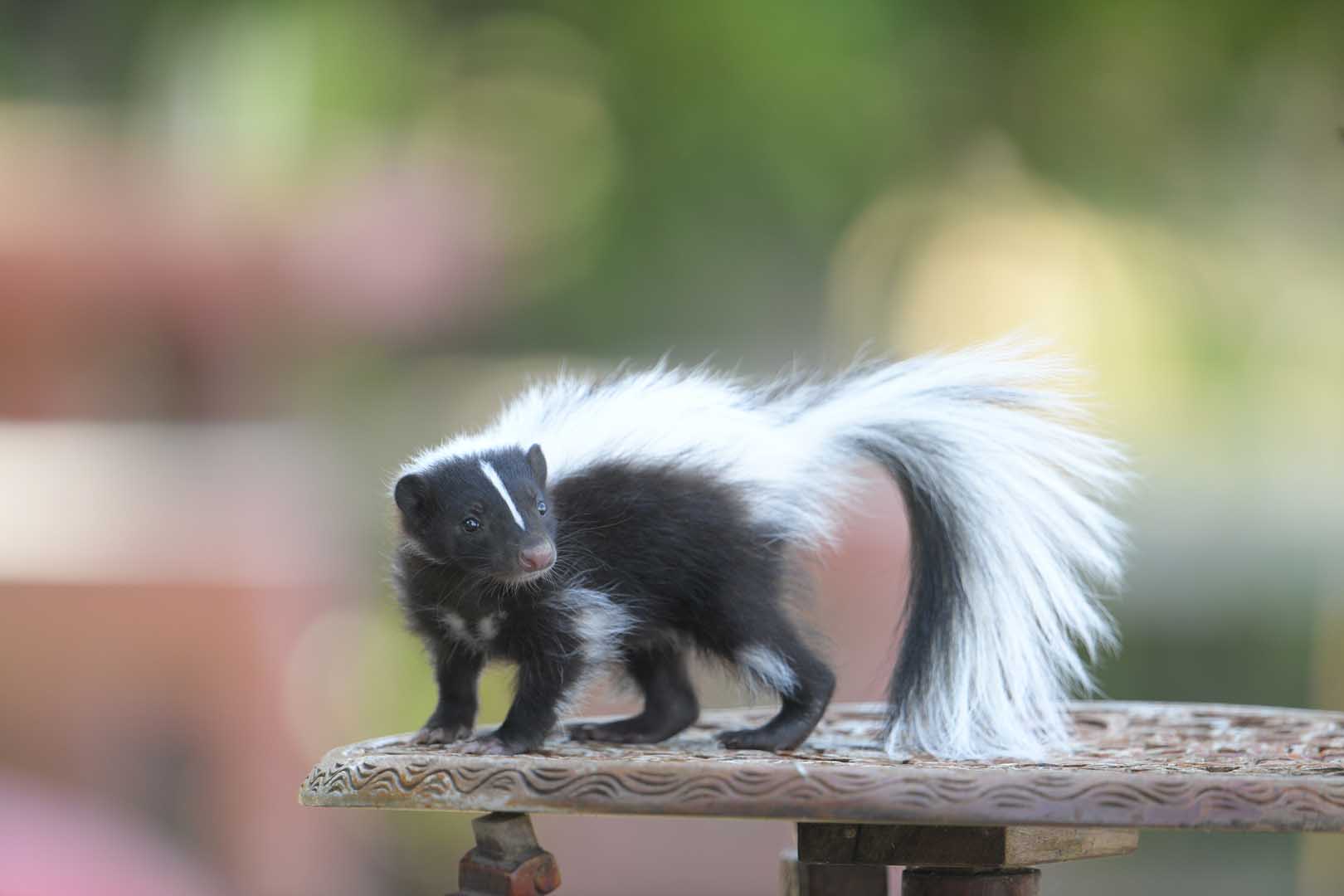
Connecticut’s diverse landscapes and distinct seasons require local wildlife to adapt to changing conditions constantly. From the first spring thaw to the deep chills of winter, animal behaviors shift throughout the year in response to temperature, food availability, and breeding cycles. Understanding these patterns can help you foresee potential wildlife encounters and coexist more effectively with the creatures that share your environment.
Spring: Emergence and Nesting
Many animals emerge from hibernation or torpor as the winter starts to warm up. Squirrels, raccoons, and skunks become more active in search of food after the winter scarcity. Spring is the prime nesting time for birds, bats, squirrels, and raccoons, and they often seek attics, chimneys, and sheds. As a result, mothers look for safe, dry places to give birth and raise their young. Abundant food sources, such as budding plants and emerging insects, encourage animals to explore new areas, including residential properties.
Summer: Growth and Exploration
By summer, juvenile animals begin to leave their nests, resulting in increased sightings of young raccoons, squirrels, and birds. These inexperienced animals may wander into garages, attics, or basements.
Some species become more territorial during the summer, which can result in vocalizations, displays, and, occasionally, conflicts with other animals or humans. Warm nights mean nocturnal animals (like bats and opossums) are especially active, hunting and foraging for food.
Fall: Preparation and Migration
As fall approaches, many animals focus on gathering and storing food. Squirrels and chipmunks are frequently seen collecting nuts, while rodents may seek shelter indoors to build nests for the colder months ahead.
Birds and bats migrate south as temperatures drop and food sources become scarce, resulting in noticeable changes in local wildlife populations.
Raccoons, mice, and other mammals begin searching for warm, secure places to overwinter, a behavior that can lead to increased invasions of attics or crawlspaces.
Winter: Survival and Hibernation
Cold weather brings a lull in visible wildlife activity. Many animals, such as groundhogs and some bat species, hibernate or enter torpor to conserve energy. Also, rodents, squirrels, and raccoons may shelter in attics, walls, or basements to escape the cold, often going unnoticed until signs of their presence (such as noise or droppings) appear. With natural food scarce, some wildlife may be more likely to investigate garbage cans, bird feeders, or pet food left outdoors.
Conclusion
Seasonal changes in Connecticut have a significant impact on the behavior and activity of local wildlife. From the bustling energy of spring to the quiet persistence of winter, animals adapt to survive and thrive. Homeowners can benefit from understanding these patterns by securing potential entry points, removing attractants, and staying vigilant. It’s possible to reduce unwanted wildlife encounters and support the well-being of both people and animals throughout the year.